The Biblical Basis for Israel’s Right to The Land
By Yehoshura M. Nevar

The Promise of the Land
To understand Israel’s connection to the land historically known as Canaan, we must start at the beginning of the Bible with the promise made to the patriarch Abraham. In Genesis 12:1-3, we read: “Now the LORD had said to Abram, ‘Get out of your country, from your family, and from your father’s house to a land that I will show you. I will make you a great nation; I will bless you and make your name great; and you shall be a blessing. I will bless those who bless you and curse him who curses you; and in you all the families of the earth shall be blessed.’” (vs. 4, 5b) Following this command, Abram departed as the LORD had instructed and arrived in the land of Canaan (vs. 6). It is significant to note that the land was initially called Canaan, not Palestine.
Abram passed through the land to Shechem, currently known as Nablus, located in the Samaria region, sometimes referred to as the West Bank. It is here that the LORD appeared to Abram and declared, “To your descendants I will give this land.” This statement emphasizes that the land under current contention is specifically designated for Abram’s descendants. Furthermore, the LORD instructed Abram to look in all directions, saying, “for all the land which you see I give to you and your descendants forever.”
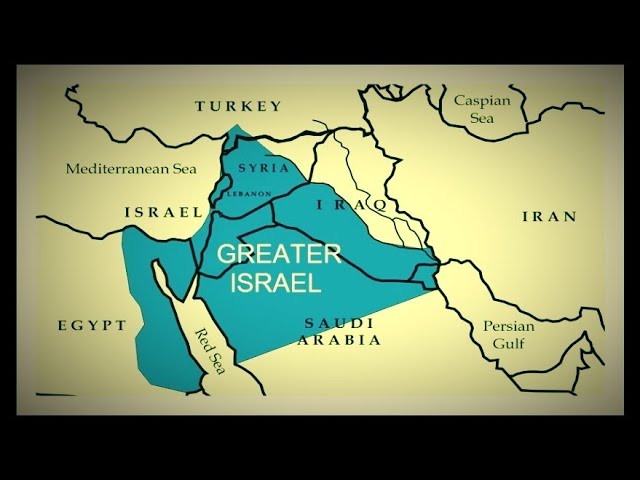
After God changed his name to Abraham, the covenant was further clarified. In Genesis 17:7-8, God states: “And I will establish My covenant between Me and you and your descendants after you in their generations, for an everlasting covenant, to be God to you and your descendants after you. Also I give to you and your descendants after you the land in which you are a stranger, all the land of Canaan, as an everlasting possession; and I will be their God.” Here, it is made unmistakably clear that all of Canaan is promised to Abraham and his descendants forever. Genesis 15:18 further defines this promise: “To your descendants I have given this land, from the river of Egypt to the great river, the River Euphrates.” This indicates that the territory promised by the LORD significantly exceeds what the modern State of Israel currently inhabits.
The promise is reaffirmed to Abraham’s descendants, as God appears to Isaac in Genesis 26:3, saying: “Dwell in this land and I will be with you and bless you, for to you and your descendants I give all these lands, and I will perform the oath I swore to Abraham your father.” God promises that Isaac’s descendants will multiply and that “in your seed all the nations of the earth shall be blessed.” Notably, Isaac resided in what is now known as Gaza, a region also included in this divine promise. Importantly, the Philistines, who occupied this land, were not indigenous to Canaan but migrated from the island of Caphtor (believed to be Crete; see Genesis 10:14, 1 Chronicles 1:12, Amos 9:7, Jeremiah 47:4).
God later appears to Jacob, who is renamed Israel in Genesis 32:28, in a dream, declaring: “I am The LORD, God of Abraham your father, and the God of Isaac. The land on which you lie, I will give it to you and your descendants.” This promise is reiterated in Genesis 35:10-12: “Thy name shall not be called any more Jacob, but Israel shall be thy name…And the land which I gave Abraham and Isaac, to thee will I give it, and to thy seed after thee will I give the land.”
In conclusion, the language of God’s promises is clear and unequivocal. As the Creator of heaven and earth, God has the sovereign authority to grant land to whomever He chooses. He has explicitly stated that all of Canaan is given to Israel and its descendants.
 Swords Into Plowshares